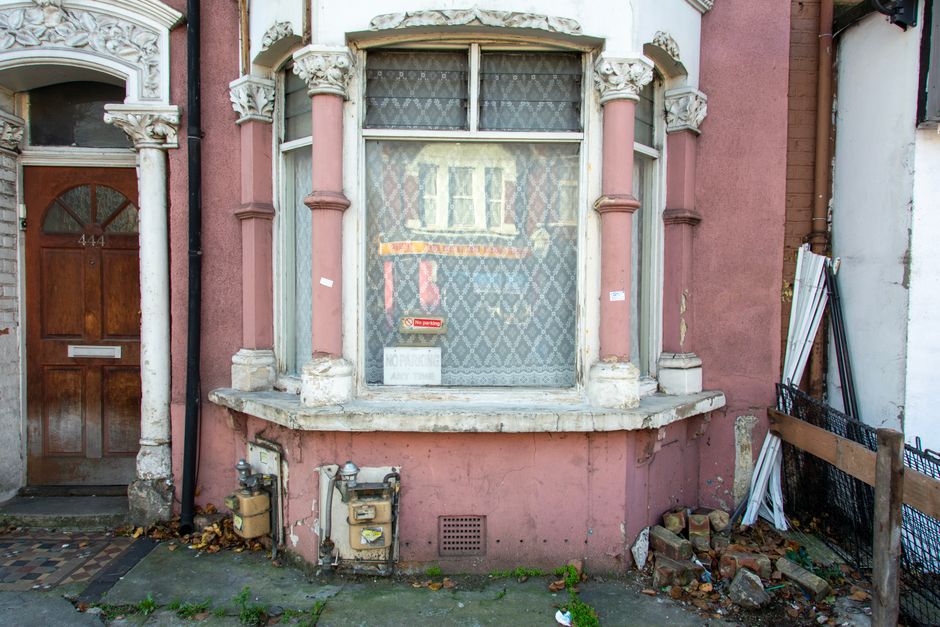
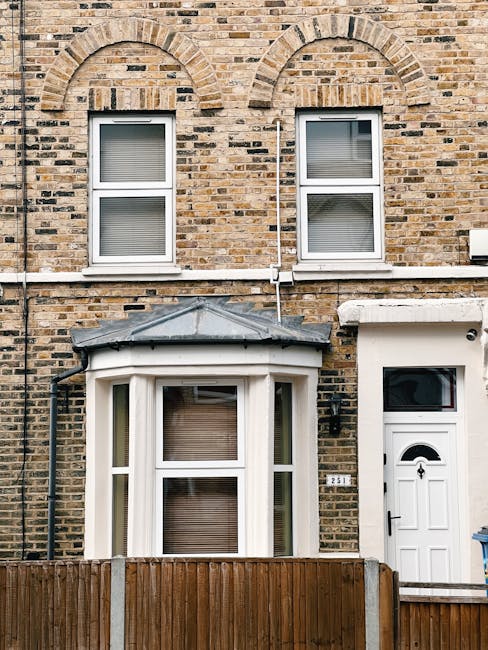
Islington Victorian flat clearance -- before & after results
If you are dealing with an Islington Victorian flat clearance, the "before & after" change can be dramatic. One day you are staring at narrow hallways, awkward staircases, heavy old furniture and years of accumulated clutter. The next, the same space feels light, usable and genuinely calm. That is the promise of a well-managed clearance, but the real value is not just the visual transformation. It is the way the flat becomes easier to sell, let, refurbish or simply live in without the constant background stress.
Victorian flats in Islington have a lot going for them: character, high ceilings, sash windows, original features. They also have their quirks. Tight access, shared entrances, basement levels, fragile finishes, and the odd item that seems to have been carried upstairs sometime around the early 1900s and never moved again. In this article, we will look at what before & after results usually involve, how the process works, what to expect, and how to avoid the common mistakes that can make a clearance slower, messier, or more expensive than it needs to be.
You will also find practical checklists, a comparison table, and guidance on legal and best-practice considerations in the UK. If you are planning a flat clearance in North London, this is meant to help you make a better decision, not just tick a box.
Table of Contents
- Why Islington Victorian flat clearance -- before & after results Matters
- How Islington Victorian flat clearance -- before & after results Works
- Key Benefits and Practical Advantages
- Who This Is For and When It Makes Sense
- Step-by-Step Guidance
- Expert Tips for Better Results
- Common Mistakes to Avoid
- Tools, Resources and Recommendations
- Law, Compliance, Standards, or Best Practice
- Options, Methods, or Comparison Table
- Case Study or Real-World Example
- Practical Checklist
- Conclusion
- Frequently Asked Questions
Why Islington Victorian flat clearance -- before & after results Matters
The "before & after" part matters because most people are not really buying a clearance service. They are buying the outcome: a flat that looks and functions better than it did yesterday. In Islington, that outcome can have a bigger effect than in a newer property, because Victorian flats often have more character but also more clutter traps. Cupboards run deep. Alcoves collect things. Lofts fill up. Corners get used as long-term storage whether anyone meant them to or not.
When a clearance is done properly, the before state changes from overwhelming to manageable. The after state is not just empty. It is usable. That distinction sounds small, but it is huge in practice. A room cleared of broken furniture, mixed rubbish and unwanted belongings can suddenly feel ready for decorating, letting photography, probate valuation, or a move-out inspection. And yes, it can also make the whole place feel a bit less emotionally heavy. Truth be told, people often notice that before they even notice the floorboards.
There is another reason it matters in Islington specifically: access. Many Victorian flats involve shared stairwells, narrow turns, and residents who do not love bags of waste blocking a landing for even a few minutes. A professional clearance approach helps reduce disruption. That matters to neighbours, landlords, buyers, and anyone trying to keep a building calm and tidy.
For readers looking at wider services, a flat clearance often sits alongside other property-related jobs such as flat clearance, home clearance, and, in larger cases, a broader house clearance. The exact service mix depends on the property and the volume of items involved.
How Islington Victorian flat clearance -- before & after results Works
At its simplest, the process is about removing unwanted items safely, sorting what can be reused or recycled, and leaving the property clean enough for the next stage. In a Victorian flat, that usually means a bit more planning than a standard ground-floor clearance. Stairs, door widths, shared access, and fragile fixtures all affect the job.
Here is the basic flow most people can expect:
- Initial review: The property is assessed, either from photos, a walkthrough, or a description of the contents. This helps identify bulky furniture, mixed waste, and any access issues.
- Sorting plan: Items are grouped into what stays, what goes, what can be donated or reused, and what needs specialist handling.
- Clearance day: Furniture, bags, and loose waste are removed carefully. In older flats, that often means moving slowly and protecting corners, bannisters and communal areas.
- Final sweep: Once the major items are out, the remaining debris is checked, and the space is left ready for cleaning, staging, or refurbishment.
The before & after results often hinge on two things: organisation and restraint. By restraint, I mean not simply ripping through the property like a whirlwind. Victorian flats reward methodical work. A rushed job can chip plaster, scuff paintwork, or leave awkward items behind because nobody planned the route out of the flat. Not ideal, to put it mildly.
One micro detail that matters in the real world: the best clearances usually look almost boring while they are happening. That is a good sign. Less noise, fewer surprises, fewer "we'll just put that there for now" moments. Then, suddenly, the transformation is obvious.
Key Benefits and Practical Advantages
The most obvious benefit is visual. A cluttered Victorian flat can look smaller, darker and more tired than it actually is. Once cleared, the original features often come back into focus. Fireplaces stand out. Light moves better through the rooms. Floors and skirting boards are visible again. Small flat? Still small. But a lot more usable.
There are practical advantages too:
- Better property presentation: A clear space photographs better and feels more inviting for viewings.
- Faster next steps: Decorating, repairs, estate agent marketing or tenancy turnover can begin sooner.
- Less stress: Large amounts of unwanted stuff create mental clutter. Clearing them removes a real burden.
- Safer movement: Fewer trip hazards, blocked passageways, or unstable stacks of items.
- Improved sorting: Useful belongings are easier to identify when the room is not full of mixed clutter.
There is also a value angle people sometimes miss. If a Victorian flat is being prepared for sale or letting, a clear and tidy property can help people see the bones of the place rather than the mess. Buyers and renters do not always say this out loud, but they make decisions in seconds. A room that breathes gives them confidence.
For items that are mostly furniture, it can help to think in terms of reuse, donation, or responsible disposal rather than just "getting rid of it." Related services such as furniture clearance and furniture disposal become especially relevant when the flat contains older wardrobes, sofas, tables, or beds that are too bulky to move casually down a Victorian staircase.
Who This Is For and When It Makes Sense
This kind of clearance is not only for people at breaking point. Though, let's be fair, sometimes that is exactly where it starts. It is useful for several situations:
- Homeowners selling a flat: A clear property tends to show better and feel easier to assess.
- Landlords between tenancies: End-of-tenancy clutter can make a property difficult to refresh on schedule.
- Executors managing probate: A respectful, orderly clearance is often needed when a flat must be dealt with after a bereavement.
- People downsizing: Moving from a larger life setup into a smaller one can reveal how much has built up over the years.
- Renovation planners: Before builders can start, the flat often needs to be stripped back of excess items.
- Families helping a relative: Sometimes you need a practical, low-drama way to clear a place that has become too much for one person to manage.
It makes sense when the workload is more than a normal household tidy but less than a full structural project. If the flat has loft contents, old furniture, loose rubbish, paper waste, or a mixture of usable and non-usable items, a professional clearance can save a lot of time. If the place is partly occupied, the approach needs extra care. That is where good judgement really shows.
For bigger or more mixed jobs, the same principles can overlap with loft clearance or even a more general waste removal approach. The right choice depends on what is actually in the flat, not just the name on the door.
Step-by-Step Guidance
If you want genuinely strong before & after results, the job needs to be handled in stages. Here is a practical way to think about it.
1. Walk the flat with a clear goal
Start by deciding what the end result should be. Empty for sale? Ready for deep cleaning? Partially cleared for renovation? The goal shapes the method. A flat that needs staging for photos is handled differently from one that is being cleared after years of accumulation.
2. Identify access constraints early
Victorian flats in Islington often have narrow staircases, shared halls, tight corners and limited parking. If large furniture is involved, that matters a great deal. A sofa that looks simple in the room can become a puzzle at the turn on the stairs. You want that puzzle solved before the team arrives.
3. Separate valuables, documents and sentimental items
This is the stage that people often rush. Don't. Check drawers, under beds, inside cabinets, behind radiators, and in kitchen cupboards. Paperwork, keys, photographs and small valuables can be overlooked when everything is piled together. A little patience here saves a lot of regret later.
4. Tackle bulky items first
Big items define the room. Once the old wardrobes, mattresses, broken chairs and unused tables are gone, the rest of the clearance becomes much easier. The flat suddenly looks bigger, even before the smaller items are removed.
5. Sort as you go
Group items into keep, donate, recycle, and dispose. If you are using a clearance team, ask how they handle reusable items and recyclable materials. Many jobs are more efficient when sorting is built into the process instead of added at the end as an afterthought.
6. Finish with a visible reset
The best before & after results do not stop at "everything is out." They leave the property ready for what comes next. That might mean a sweep through each room, a final check of cupboards, and removal of any overlooked bagged waste. The room should feel calm, not half-finished.
If the property is particularly cluttered, a more involved clearance can benefit from structured support similar to a house clearance process, even if the property is a flat. The principle is the same: keep the sequence sensible and the outcome will look much better.
Expert Tips for Better Results
Here are the small things that make a big difference. In our experience, these are the details people notice only after the job has gone wrong once.
- Photograph the flat before work starts: Not for drama, just for records and planning.
- Measure stairwells and doorways: Especially if there is bulky furniture, wardrobes or appliances.
- Protect common areas: Communal hallways in Victorian conversions can show scuffs quickly.
- Ask how recyclable items are separated: A good clearance should not treat every item as identical.
- Keep a "do not touch" zone: One box of documents or sentimental items can save a lot of confusion.
- Plan around neighbours: Mid-morning often works better than the middle of the evening. It keeps everyone a bit happier.
A small but useful observation: the fastest clearances are not always the best ones. The smoothest jobs usually come from a measured pace, particularly in older buildings where every stair and corner seems to have its own opinion. A slower first ten minutes can save an hour later. Odd, but true.
If you are comparing services, it is worth looking at how a provider handles broader property issues such as insurance and safety and their health and safety policy. That gives a better sense of how they work in the real world, not just on a website.
Common Mistakes to Avoid
A lot of clearance headaches come from a few predictable errors. They are easy to avoid if you know what to look for.
Leaving decisions until the last minute
If you wait until the team is already there to decide what should stay, the process slows down and stress rises. Make the keep/dispose choices ahead of time where possible.
Underestimating the stair issue
Victorian flats can be deceptive. A room may look manageable, but the route out may be a squeeze. One heavy item can turn into a logistical headache if no one planned the exit path.
Forgetting about shared spaces
Hallways, entry doors and external paths matter. Blocking them with clutter can cause friction with neighbours and, in some buildings, create avoidable safety issues.
Assuming every item is waste
Some things can be reused, sold, donated or recycled. Treating everything the same is often the least efficient option, and not especially thoughtful either.
Not checking paperwork and hidden storage
Important documents often live in odd places. Drawers, envelope piles, side tables, behind books, even under a bed. It sounds obvious, but people miss them all the time.
There is also a cost mistake people make: choosing the cheapest option without checking what is actually included. Hidden charges and vague pricing can be frustrating. If you want a better feel for how pricing should be discussed, it helps to read guidance on pricing and quotes and, for a broader overview, hidden fees to avoid with London rubbish removal.
Tools, Resources and Recommendations
You do not need a van full of specialist kit for every clearance, but a few sensible tools make the process far easier. Think practical rather than fancy.
- Heavy-duty sacks and boxes: For loose rubbish, papers, and mixed small items.
- Protective gloves: Useful when moving dusty or sharp items.
- Mask and basic dust protection: Particularly helpful in older flats where dust has settled into corners.
- Labels or tape: To mark keep, donate, recycle and dispose areas clearly.
- Furniture sliders or lifting aids: Helpful for moving items without damaging floors.
- Notebook or phone notes: To track what has been checked, moved or set aside.
On the service side, it can be helpful to choose a provider that can handle a range of property types and waste categories. Depending on the job, furniture disposal, builders waste clearance, or even garage clearance may be relevant if the flat clearance is part of a bigger property reset.
If sustainability matters to you, ask how items are reused, recycled or disposed of. A thoughtful clearance should not just make the room look better; it should also avoid needless waste where practical. That is especially worth asking about if the flat contains furniture, books, metal items, cardboard, or mixed household contents.
Law, Compliance, Standards, or Best Practice
This part is not glamorous, but it matters. In the UK, anyone arranging a clearance should make sure waste is handled responsibly and transferred to a legitimate waste carrier. If a service is disposing of your unwanted items, you want confidence that it is being done properly and that records are in order. You do not need to become an expert in the law, but you do need to avoid handing your rubbish to someone who cuts corners.
Best practice also includes careful handling of items that may need special attention, such as electricals, sharp materials, paint tins, or anything potentially hazardous. Victorian flats sometimes contain a mixture of old household items and renovation leftovers, which makes sensible sorting even more important. If a job involves anything unsafe, damaged, or awkwardly stored, the team should approach it with caution and a proper process.
Good providers also tend to be transparent about safety, liability, access planning and payment terms. Pages such as payment and security, terms and conditions, and complaints procedure are worth reviewing if you want to understand how a company works before you commit.
For many readers, the simplest rule is this: if the clearance involves a flat, shared access, or bulky items, make sure the work is planned carefully and carried out in a way that respects the building, the neighbours and the contents of the property. That is just good practice. Nothing flashy, but it saves headaches.
Options, Methods, or Comparison Table
There is more than one way to clear a Victorian flat, and the best option depends on time, volume and access. Here is a simple comparison to make the choice clearer.
| Method | Best for | Strengths | Limitations |
|---|---|---|---|
| DIY clearance | Small amounts of light, easy-to-move items | Lower direct cost, full control over sorting | Time-consuming, physically demanding, difficult with stairs or bulky furniture |
| Partial assisted clearance | Mixed contents where some items stay | Useful balance of control and convenience | Requires good planning and clear communication |
| Full professional clearance | Large volumes, probate jobs, move-outs, difficult access | Efficient, safer for heavy items, more predictable result | Higher upfront spend than DIY |
In practice, most people in Islington end up somewhere between the second and third option. They want the flat transformed without turning the process into a full-time weekend project. Fair enough. Life is busy enough already.
If the clearance involves a lot of old furniture or mixed belongings, a service like furniture clearance can sit neatly within a larger flat-clearance plan. The real choice is not just about removing items. It is about removing them in the least stressful way possible.
Case Study or Real-World Example
Here is a realistic example based on a typical Islington Victorian flat scenario, without pretending it is a perfect film scene. A two-bedroom flat had been used as a long-term family home and then partly emptied after a move. One bedroom was full of boxed belongings, the living room had two large pieces of furniture that no longer fitted the new layout, and the kitchen still contained a mix of crockery, small appliances and old storage items. The hallway was tight, with a turn that made the larger wardrobe awkward to move. Classic Victorian behaviour, really.
Before: The flat felt crowded and hard to assess. Surfaces were partly hidden, cupboards were full, and the living room looked smaller than it was. The owners were unsure what could be saved and what needed to go.
During: Items were sorted room by room. Sentimental belongings and paperwork were set aside first. Bulky furniture was removed carefully, with attention to corners and shared access. Smaller items were grouped for sorting rather than rushed into one pile.
After: The flat felt more open and lighter. Natural light came through better, the layout became easier to read, and the rooms were ready for cleaning and planning the next step. The improvement was not just cosmetic. It changed how the property functioned.
The big lesson? A good clearance often reveals the flat underneath the clutter. That sounds obvious, but when you are standing in a room full of belongings, it is easy to forget the room is still there. Once the clutter is removed, the space tells a different story.
Practical Checklist
Use this checklist before the clearance starts. It keeps things calmer, and calmer is better.
- Decide the end goal: sale, letting, renovation, probate, downsizing, or general reset.
- Identify items that must not be removed.
- Check cupboards, under furniture, wardrobes, loft spaces and drawers.
- Set aside documents, keys, photos and personal items.
- Measure access points, stairs and tight turns.
- Note any shared building rules or neighbour concerns.
- Confirm whether furniture, electricals or mixed waste are included.
- Ask about recycling and reusable items.
- Review pricing, payment terms and what is included.
- Make sure the final space will be left safe and tidy.
Quick takeaway: the better the preparation, the more dramatic the before & after result. It really is that simple, though not always easy.
Conclusion
An Islington Victorian flat clearance is about more than emptying rooms. Done well, it restores order, improves how the flat feels, and creates a much better starting point for whatever comes next. The before & after difference is often strongest in older properties because the original charm has a chance to show through again once clutter, bulky furniture and mixed waste are removed.
If you are planning one, focus on the basics: good sorting, careful access planning, responsible disposal, and a clear idea of the result you want. That is what turns a difficult job into a useful one. And in a Victorian flat, especially in a busy part of London, a useful result is worth a lot.
Get a free quote today and see how much you can save.
When the last bag is out and the room feels quiet again, you notice the space in a new way. That small moment, the pause after the mess, is often the part people remember most.
Frequently Asked Questions
What does an Islington Victorian flat clearance usually include?
It usually includes the removal of unwanted furniture, household items, bagged waste, and other contents that need clearing from the flat. Depending on the property, it may also involve sorting reusable items, handling access carefully, and leaving the rooms ready for cleaning or the next stage of work.
How long does a Victorian flat clearance take?
It depends on how much is being removed, how easy the access is, and whether the flat is partly occupied. A small, well-prepared clearance may be fairly quick, while a cluttered flat with stairs, bulky furniture, or careful sorting requirements will take longer.
Why do before & after results look so different in Victorian flats?
Older flats often have strong architectural features that are hidden by clutter. Once the excess is removed, the high ceilings, windows, floor space and original details become much more noticeable. The property can feel brighter and more spacious without changing its footprint.
Can I keep some items and clear the rest?
Yes. That is very common. A good clearance plan separates keep items from items being removed before work begins, so there is less risk of accidental disposal and less confusion on the day.
What happens to furniture that is still usable?
Usable furniture may be suitable for reuse or redistribution, depending on condition and the provider's process. If you want the best outcome, ask in advance how reusable items are handled rather than assuming everything goes into the same stream.
Is a professional flat clearance better than doing it myself?
It depends on the volume, access and time available. DIY may suit a small clear-out, but professional help is often more practical for bulky furniture, tight staircases, mixed waste or time-sensitive property work. To be fair, stairs alone can change the answer very quickly.
Do I need to be present during the clearance?
Sometimes yes, sometimes no. If the property is fully accessible and the instructions are clear, some people prefer to step away. If there are valuables, sentimental items, or decisions still to be made, being present can be helpful.
How should I prepare a Victorian flat before the team arrives?
Set aside anything that must stay, check drawers and cupboards for personal items, and make sure the access route is clear. It also helps to flag any awkward furniture, building rules, or parking limitations before the appointment.
What are the main risks in a Victorian flat clearance?
The main risks are damage to the property, blocked access, overlooked valuables, and poor handling of heavy or awkward items. Shared hallways and narrow staircases can make the job more complicated, so careful planning matters.
Can a clearance help if I'm preparing the flat for sale or letting?
Absolutely. A clear flat usually photographs better, feels larger, and is easier for buyers or tenants to assess. It can also make cleaning, decorating and repair work much easier to organise afterwards.
What should I ask before booking a clearance?
Ask what is included, how bulky furniture is handled, whether recycling is part of the process, how pricing works, and whether the team is set up for older buildings with stair access. Those questions save a lot of guesswork later.
Is there a difference between flat clearance and waste removal?
Yes, slightly. Waste removal usually focuses on taking away rubbish, while flat clearance often includes a wider sort of property reset, such as furniture, household contents and room-by-room clearing. In real life, the two can overlap quite a bit.
What makes the best before & after result?
The best results come from a clear goal, good sorting, careful handling of the building, and a final sweep that leaves the space ready for what comes next. It is not just about emptying the flat. It is about leaving it visibly better, safer and easier to use.